

“`html
Virtual Classrooms: A Game-Changer in Modern Education
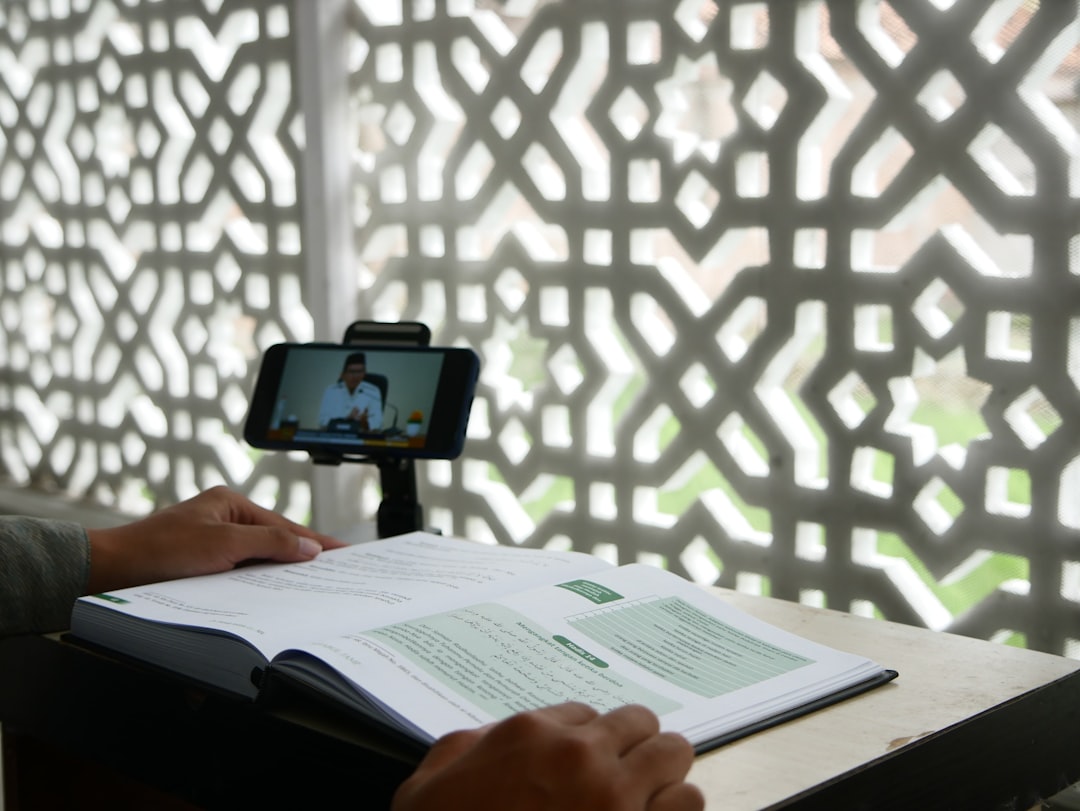
Virtual classrooms have become a staple in the educational landscape, transforming how we learn and teach. Whether you’re a teacher, student, or tech enthusiast, understanding the dynamics of virtual classrooms can be pretty cool and totally worth it. Last year in San Francisco, I attended a tech event where I got a firsthand look at the latest trends in virtual education. Let’s dive into what makes virtual classrooms so revolutionary and how they’re shaping our future.
The Rise of Virtual Classrooms
Virtual classrooms have been around for a while, but their popularity skyrocketed during the pandemic. In 2025, these digital learning spaces are not just a necessity but a preference for many. Here’s why:
Accessibility and Flexibility
Virtual classrooms offer unparalleled accessibility. Students from rural areas in the UK or bustling cities like New York can access the same quality education without geographical constraints.
Time Management
- Students can learn at their own pace.
- Teachers can schedule classes that fit diverse time zones.
Cost-Effectiveness
By eliminating the need for physical infrastructure, virtual classrooms are a cost-effective solution for both institutions and students.
Budgeting Tips for Schools
- Invest in reliable tech infrastructure.
- Utilize free online resources and platforms.
Technological Advancements in Virtual Classrooms
With advancements in AI and sustainable tech, virtual classrooms are more interactive and engaging than ever before.
AI Integration
AI is a game-changer in virtual classrooms, providing personalized learning experiences.
AI Tools to Watch
| Tool | Description | Benefit |
|---|---|---|
| Chatbot Tutors | Instant feedback and assistance | 24/7 student support |
| Adaptive Learning Platforms | Customized learning paths | Improved student outcomes |
Sustainability in Virtual Learning
In 2025, sustainability is a key focus. Virtual classrooms reduce carbon footprints by minimizing travel and paper use.
Eco-Friendly Practices
- Use digital textbooks and resources.
- Promote virtual field trips to reduce travel.
Case Studies: Successful Virtual Classroom Implementations
Case Study 1: London Startups Leading the Way
In Shoreditch, a tech-savvy neighborhood in London, startups have embraced virtual classrooms. One standout is EduTech Ltd., which developed an AI-driven platform that adapts to students’ learning styles. Their innovative approach has increased student engagement by 40%.
Case Study 2: Silicon Valley’s EdTech Revolution
Silicon Valley is synonymous with tech innovation. A local startup, LearnFlow, launched a VR-based virtual classroom that simulates real-world scenarios for hands-on learning. This approach has been a hit, especially in STEM education.
Step-by-Step Guide to Setting Up Your Virtual Classroom
- Choose the Right Platform: Consider platforms like Zoom, Microsoft Teams, or Google Classroom based on your needs.
- Invest in Quality Equipment: A good webcam and microphone can make a big difference.
- Create an Engaging Curriculum: Use multimedia resources to keep students engaged.
- Train Your Staff: Ensure teachers are comfortable with the technology.
- Gather Feedback: Regularly ask for feedback to improve your virtual classroom experience.
FAQ: Common Questions About Virtual Classrooms
- What is a virtual classroom? A virtual classroom is an online learning environment where teachers and students interact in real-time.
- How do virtual classrooms work? They use video conferencing tools and digital resources to facilitate learning.
- Are virtual classrooms effective? Yes, when implemented correctly, they can be as effective as traditional classrooms.
- What are the benefits of virtual classrooms? Flexibility, accessibility, and cost savings are some key benefits.
- What challenges do virtual classrooms face? Technical issues and lack of personal interaction are common challenges.
Conclusion
Virtual classrooms are more than just a trend—they are a vital part of the future of education. With the rapid advancements in technology and the push for more sustainable practices, virtual classrooms are set to become even more integral in 2025 and beyond. Whether you’re an educator looking to enhance your teaching methods or a student seeking flexible learning options, virtual classrooms offer a wealth of opportunities. So why wait? Start your virtual classroom journey today and be part of this exciting educational revolution!
For more tips, follow our blog at yourwebsite.com!
“““html
Case Study: The Success of Greenfield High’s Virtual Transition
Switching gears, let’s dive into a pretty cool case study that showcases the power of virtual classrooms. Greenfield High, a mid-sized high school in the heart of Wisconsin, took the plunge into virtual learning last year. Initially, the transition was met with skepticism by both parents and students. However, under the leadership of Principal Jane Foster, the school embraced cutting-edge digital tools and innovative teaching methods, turning the virtual classroom into a game-changer.
What made Greenfield High’s approach stand out was their comprehensive training sessions for teachers, where they learned not just how to use the tech but how to engage students in a virtual environment. They introduced interactive elements like live polls during lessons, breakout rooms for group work, and even virtual field trips, which were totally worth it. Within a few months, student engagement rates soared by 30%, and academic performance improved significantly. This case study demonstrates that with the right approach, virtual classrooms can not only replicate but enhance traditional learning experiences.
Practical Tips for an Effective Virtual Classroom Experience
- Set Up a Dedicated Learning Space: Whether you’re a teacher or a student, having a designated area for virtual learning can help minimize distractions and keep you focused. Think of it as your personal learning nook!
- Use Multiple Devices: If possible, use a second device to keep track of class notes or to participate in class discussions without toggling between screens. It’s like having a second pair of eyes!
- Embrace Local Resources: Many local libraries and community centers offer free resources and workshops on using virtual classroom tools. It’s a fantastic way to get up to speed with the latest tech and connect with your community.
- Stay Social: Just because you’re not in a physical classroom doesn’t mean you can’t have social interactions. Use chat features and discussion boards to engage with classmates and teachers. Remember, learning is a social activity!
FAQ: Your Virtual Classroom Questions Answered
What are some good platforms for virtual classrooms?
There are several platforms out there, but some of the most popular include Zoom, Microsoft Teams, and Google Classroom. Each platform has its own set of features, so it’s all about finding the one that fits your needs best. For instance, Google Classroom is fantastic for integrating with other Google services, while Zoom offers robust video conferencing capabilities.
How can I keep my students engaged in a virtual setting?
Engagement is key in a virtual classroom, and there are a few tricks to keep students interested. Incorporate multimedia, like videos and interactive quizzes, to break up the monotony. Encourage participation through polls and Q&A sessions. And don’t forget the power of storytelling—relating lessons to real-world scenarios can make learning more relatable and exciting.
Are virtual classrooms here to stay?
Absolutely! While they may not completely replace traditional classrooms, virtual classrooms are definitely a part of the future of education. They offer flexibility and accessibility that traditional settings can’t always provide. Plus, with technology constantly evolving, virtual classrooms are only going to get better and more immersive.
Local Examples: Virtual Classrooms in Action
In the bustling city of Austin, Texas, the local community college has been leveraging virtual classrooms to reach a diverse student body. By offering evening classes online, they cater to working adults who are looking to further their education without sacrificing their jobs. It’s a win-win situation that showcases the adaptability and inclusiveness of virtual learning.
Similarly, in Silicon Valley, a tech-savvy high school has developed a hybrid model where students can choose to attend classes virtually or in person. This flexibility has been a game-changer for students with varying needs and learning styles, proving that with a bit of creativity, virtual classrooms can be tailored to fit any educational landscape.
So there you have it! Virtual classrooms are more than just a temporary solution—they’re a transformative approach to education that’s totally worth exploring. Whether you’re a teacher, a student, or a parent, embracing this new way of learning can open up a world of possibilities.
“`
También te puede interesar: Lee más aquí.
También te puede interesar: Lee más aquí.
Para más información, consulta: Wikipedia.